

Movements & Watchmaking
The movement is the mechanism that powers a watch and controls the way it measures and displays time. From traditional hand-wound calibres and automatic movements to quartz and other technologies, understanding the movement is central to understanding how a watch works.
This section explores movement types, the components inside them and the terminology used by watchmakers and manufacturers. It covers everything from mainsprings, rotors and gear trains to escapements, balance springs, jewels, power reserves and the techniques used to assemble, regulate and finish watch movements.
Glossary terms
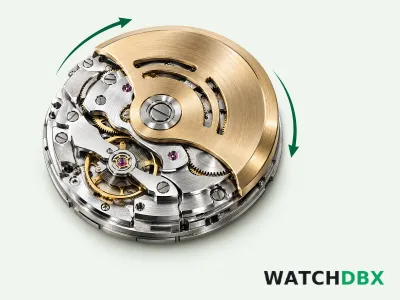 Automatic MovementA mechanical movement that winds its mainspring automatically through the motion of a rotor as the watch is worn.
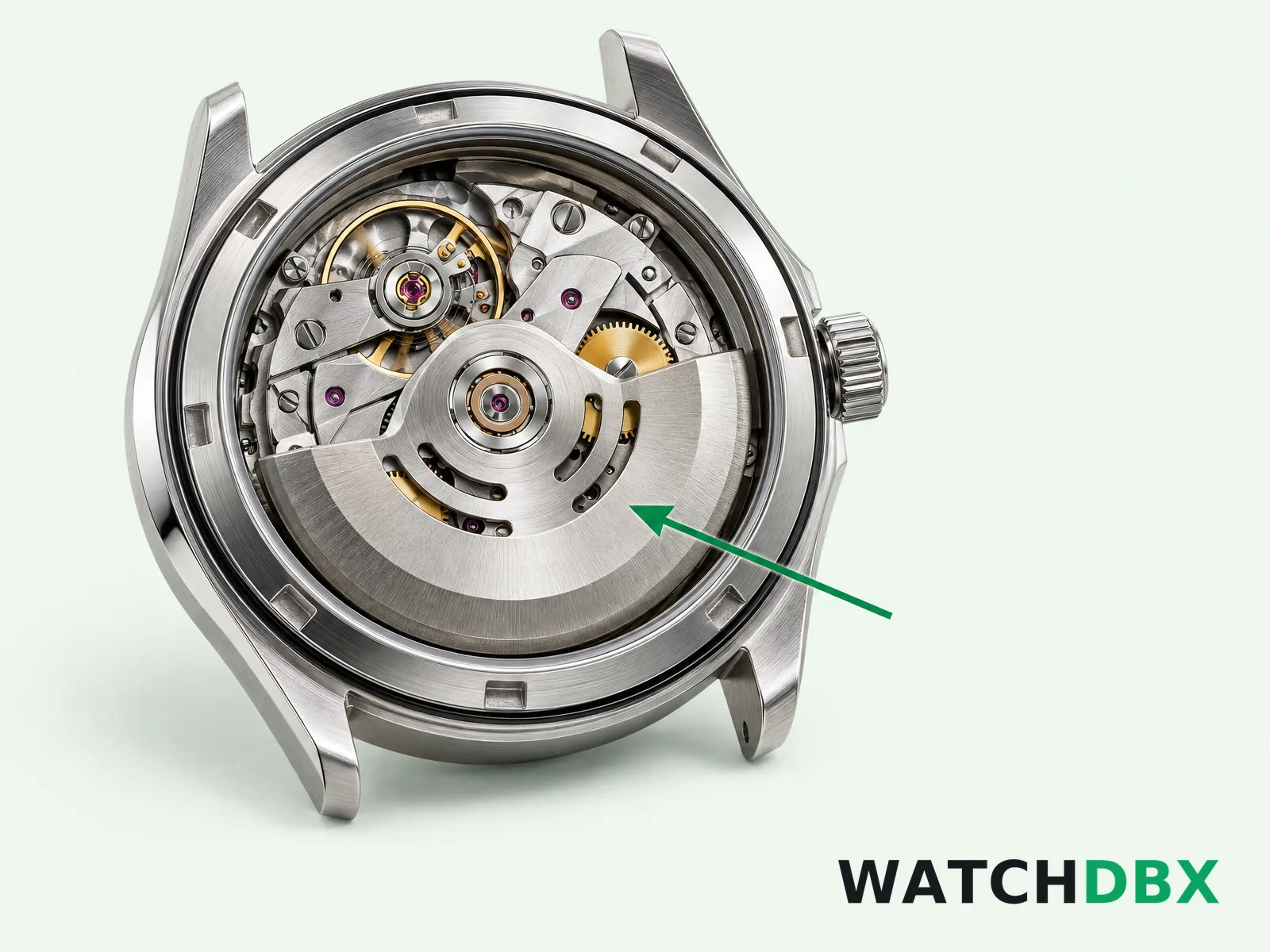 Automatic Winding RotorA weighted component that rotates with wrist movement and transfers energy to wind an automatic watch’s mainspring.
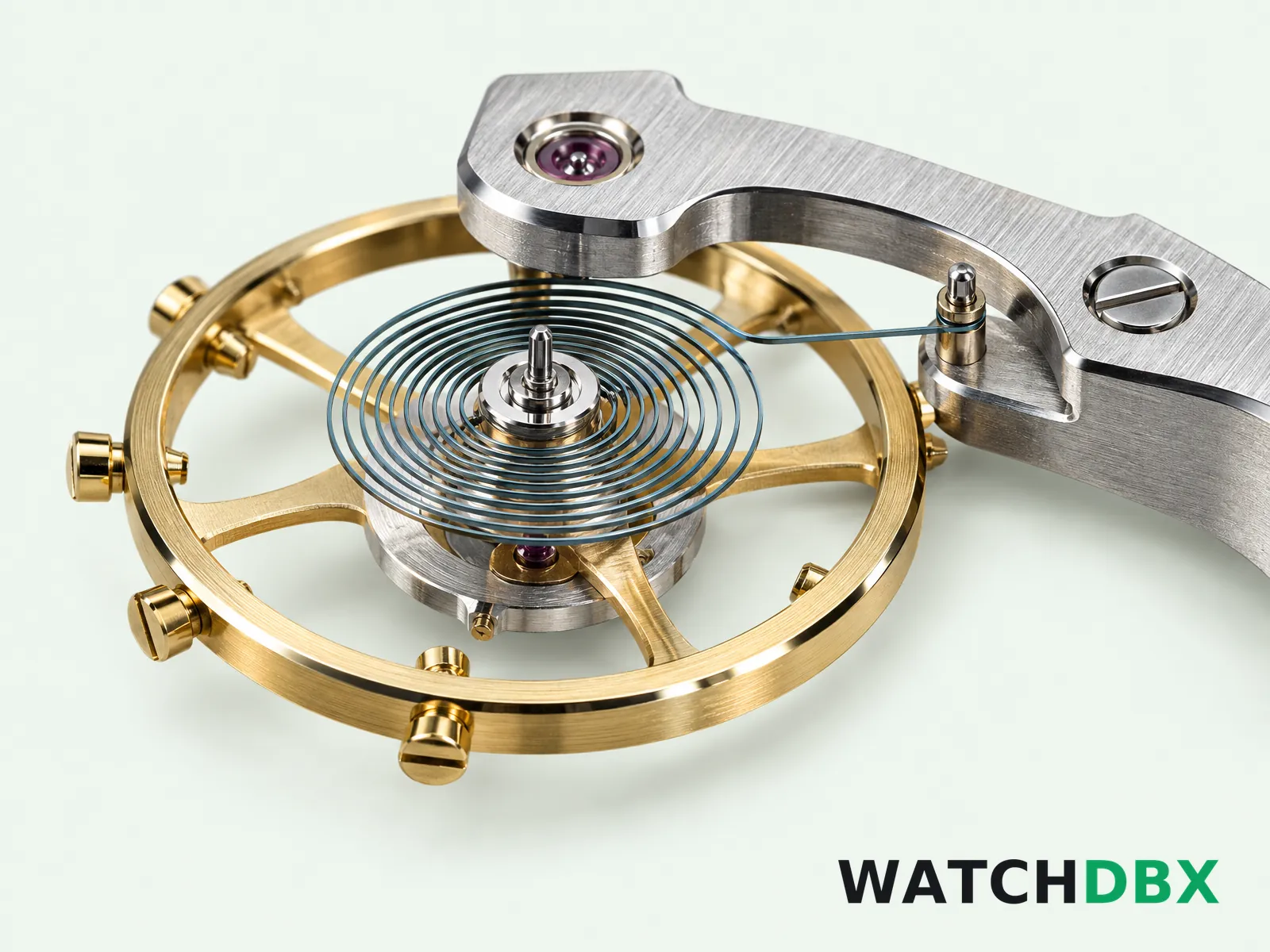 Balance SpringThe fine spring attached to the balance wheel that controls its oscillation and helps determine the movement’s rate.
 Balance WheelThe oscillating wheel that acts as the time-regulating element in most mechanical watches.
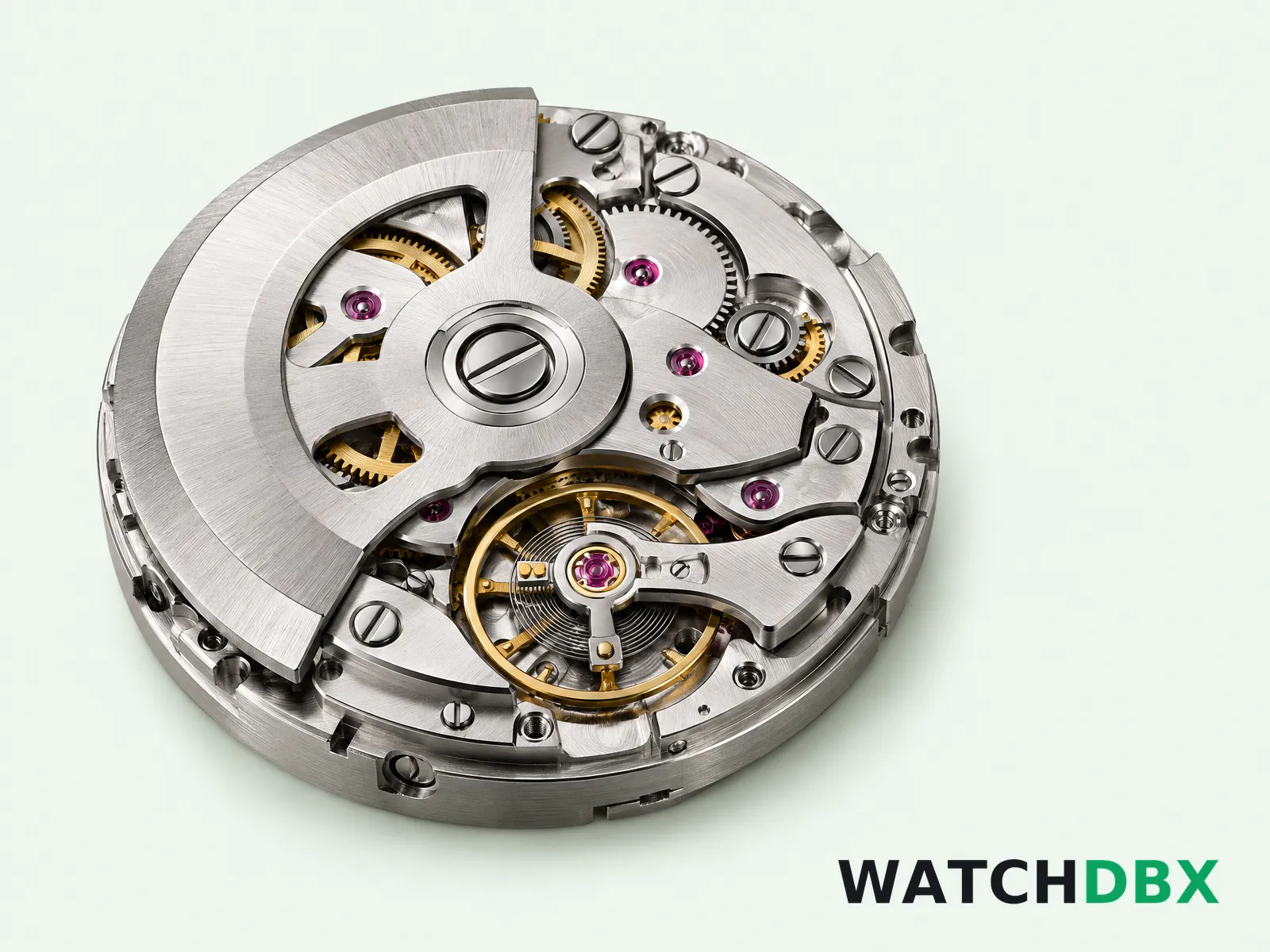 CalibreThe specific design or model of a watch movement, usually identified by a manufacturer’s calibre number or name.
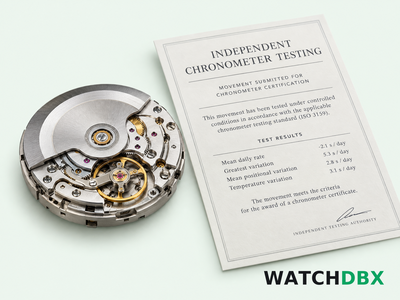 COSC CertificationIndependent Swiss chronometer certification issued after a movement or watch meets specified precision testing requirements.
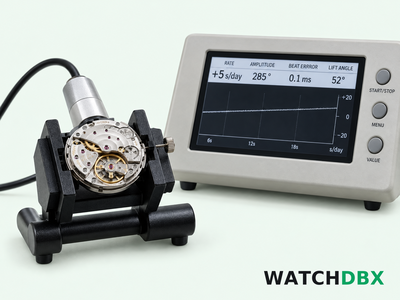 Daily RateThe amount of time a watch gains or loses over 24 hours, usually expressed in seconds per day.
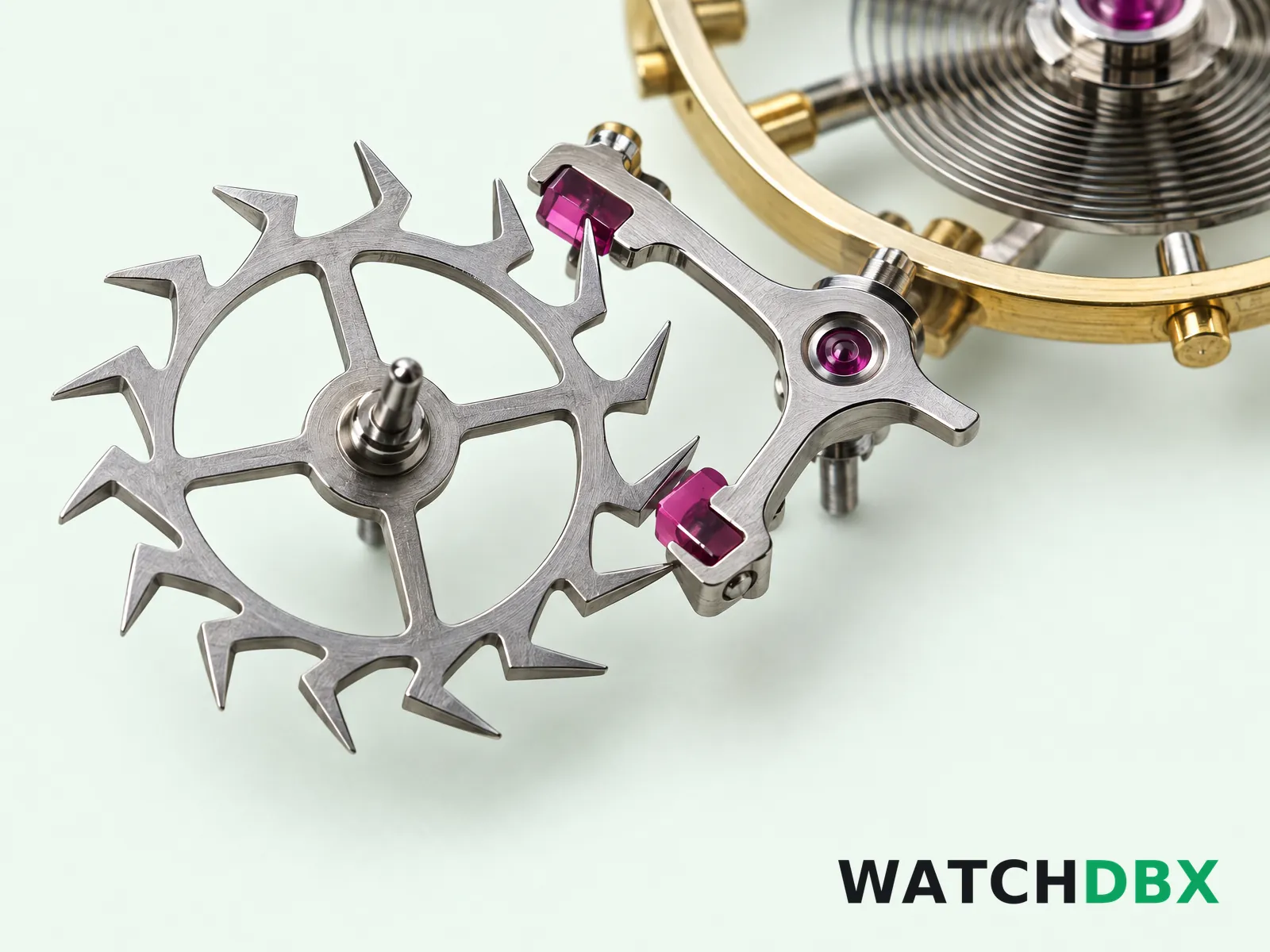 Escape WheelThe toothed wheel in an escapement that releases energy to the regulating organ in precisely controlled increments.
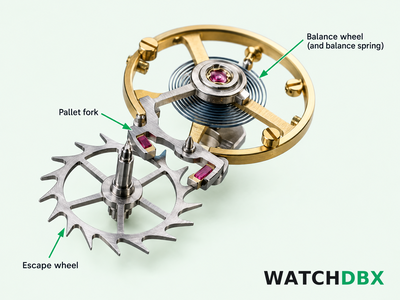 EscapementThe mechanism that meters the release of stored energy from a mechanical movement and maintains the oscillator’s motion.
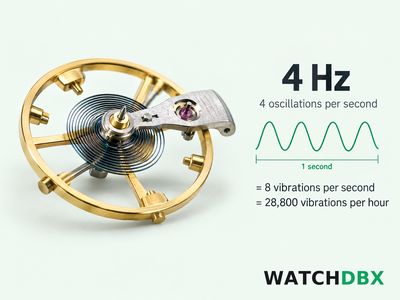 FrequencyThe rate at which a watch’s regulating oscillator vibrates, commonly stated in hertz or vibrations per hour.
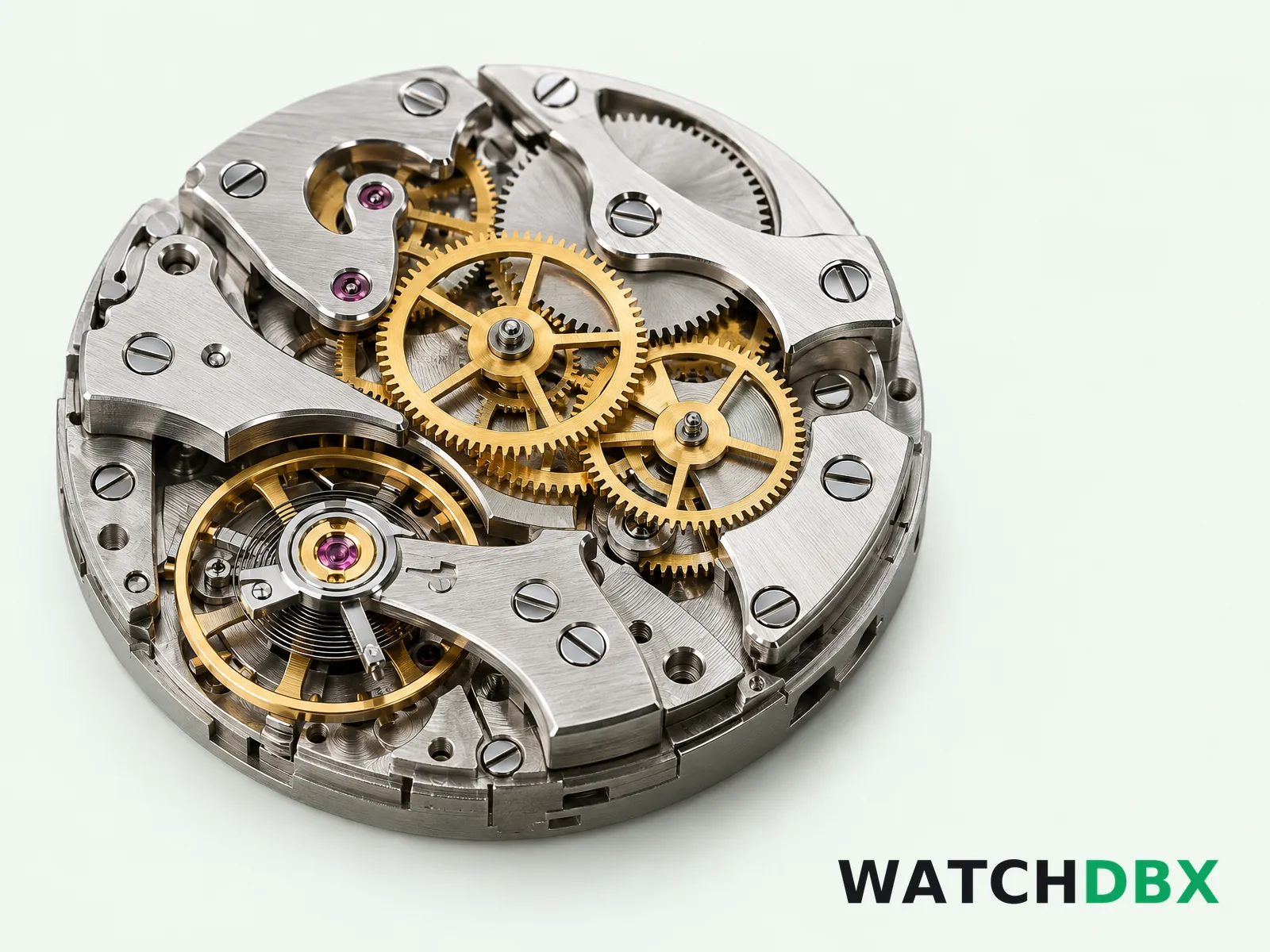 Gear TrainThe series of wheels and pinions that transmits energy through a watch movement at controlled ratios.
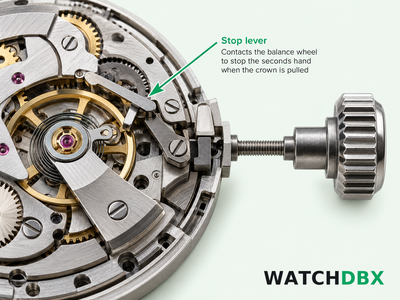 Hacking SecondsA function that stops the seconds hand when the crown is pulled to the time-setting position, allowing precise synchronisation.
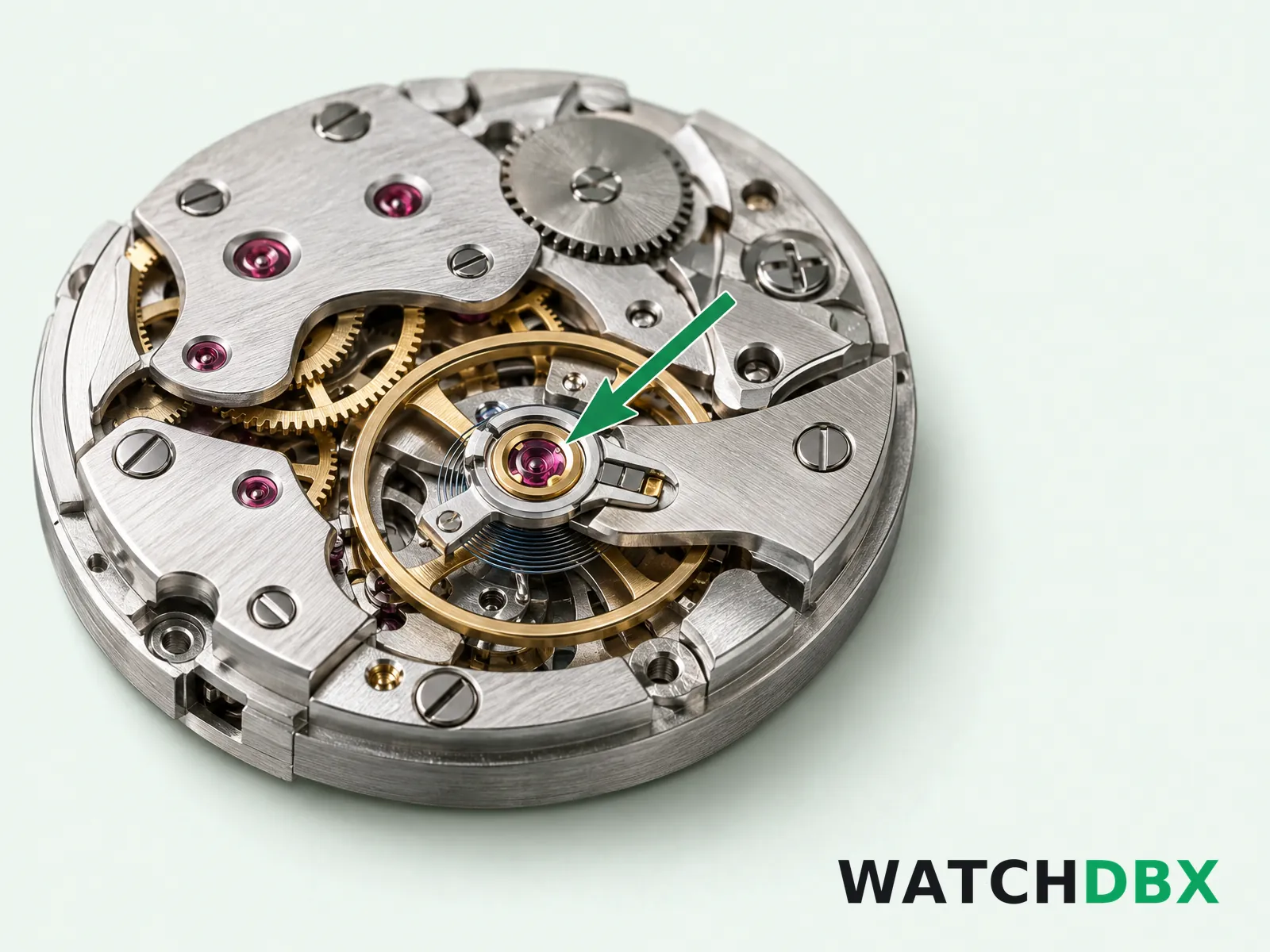 Jewel BearingA low-friction synthetic ruby bearing used at high-wear pivot points within a watch movement.
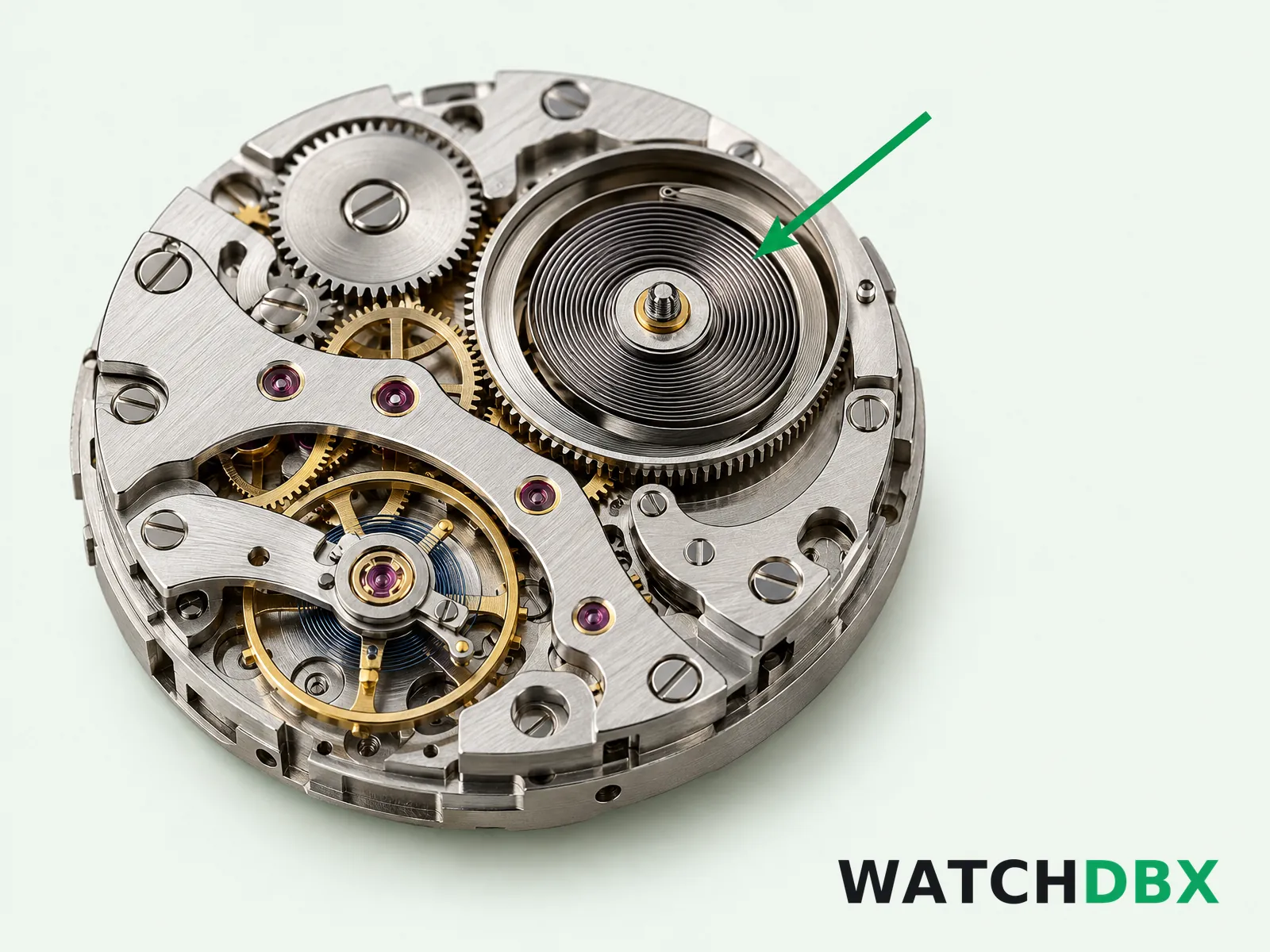 MainspringA coiled spring that stores the energy used to power a mechanical watch movement.
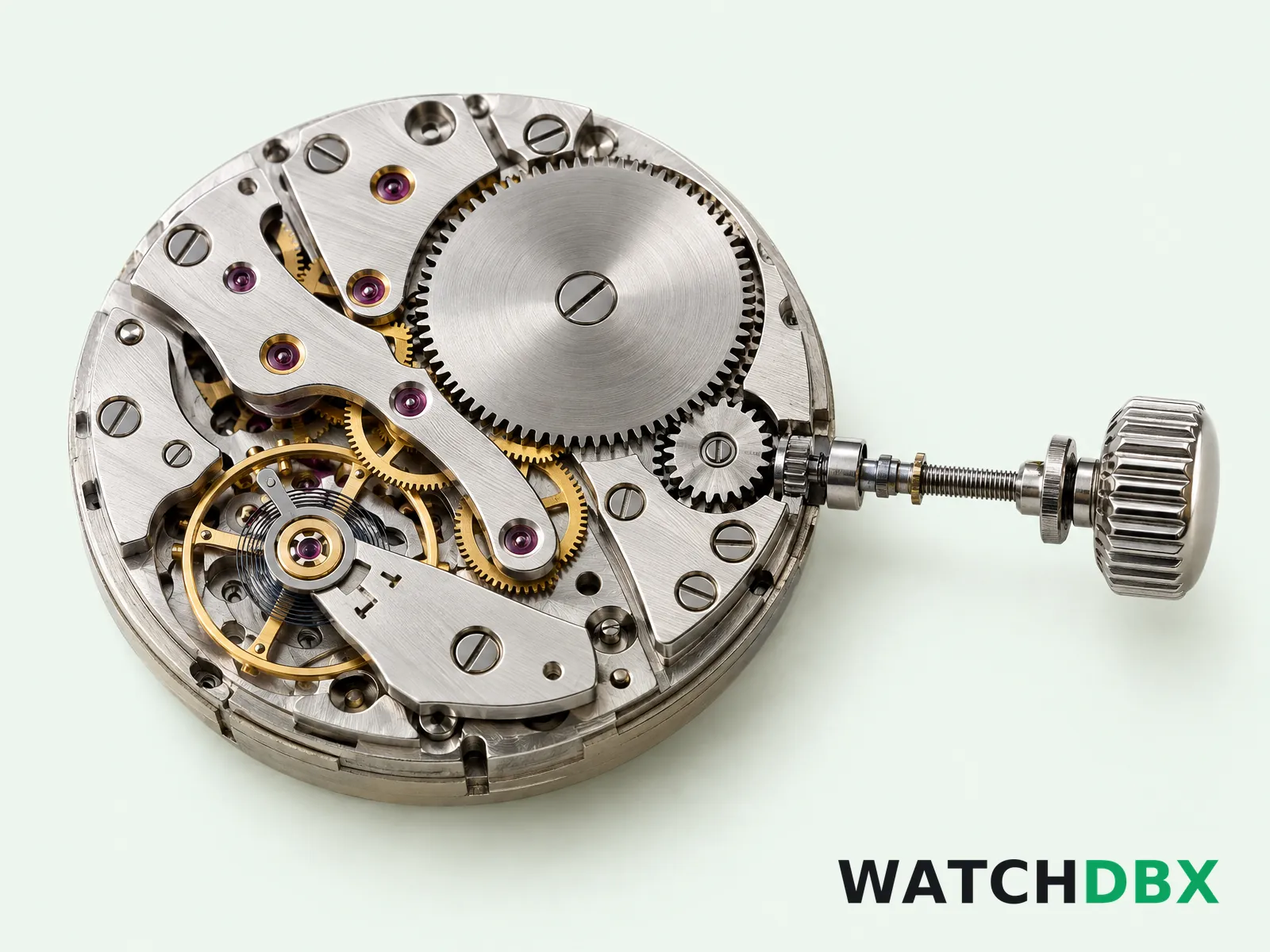 Manual-Winding MovementA mechanical movement whose mainspring is wound by turning the crown rather than by an automatic rotor.
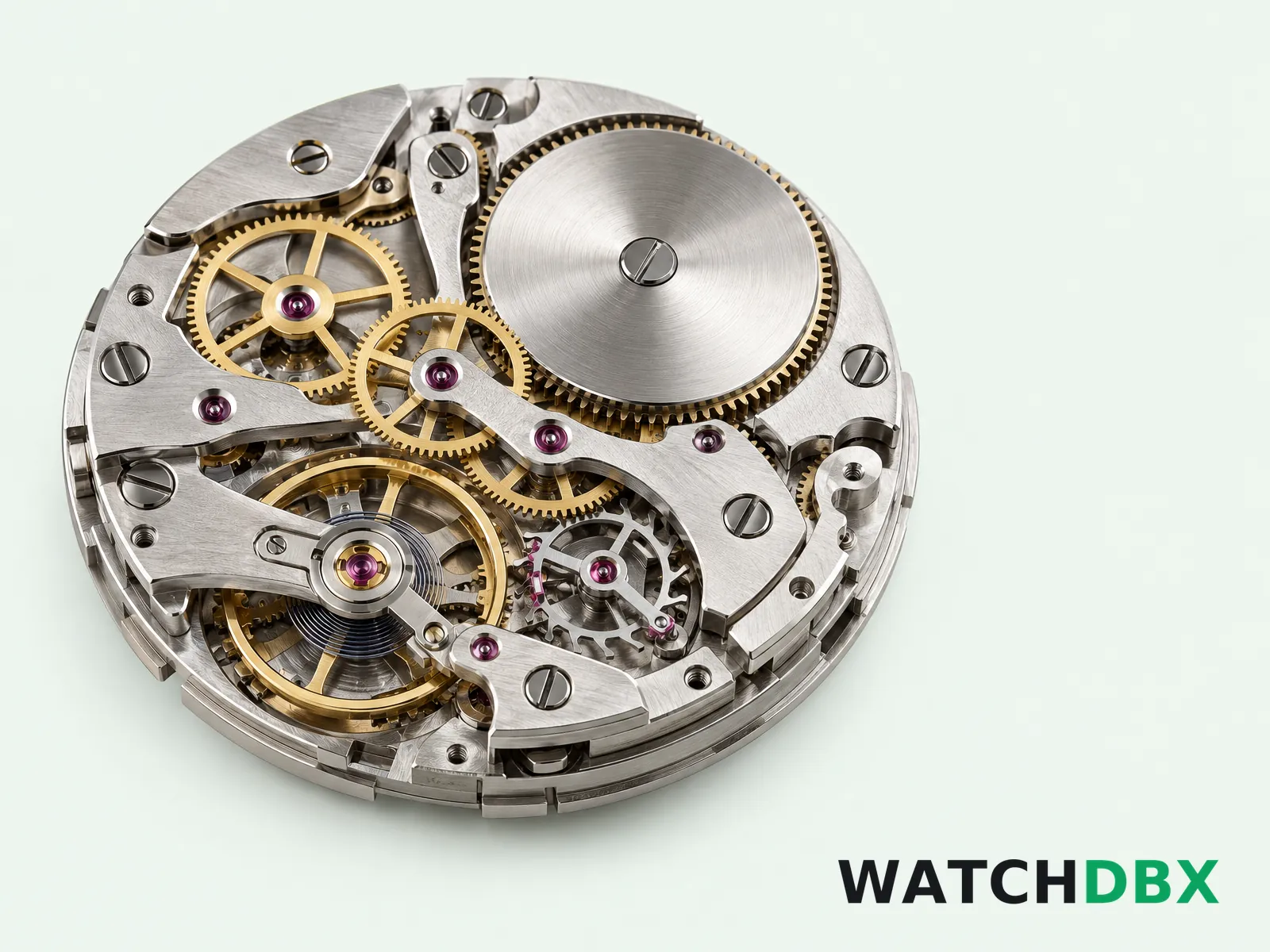 Mechanical MovementA watch movement powered by a wound mainspring and regulated mechanically, without using a battery as its primary energy source.
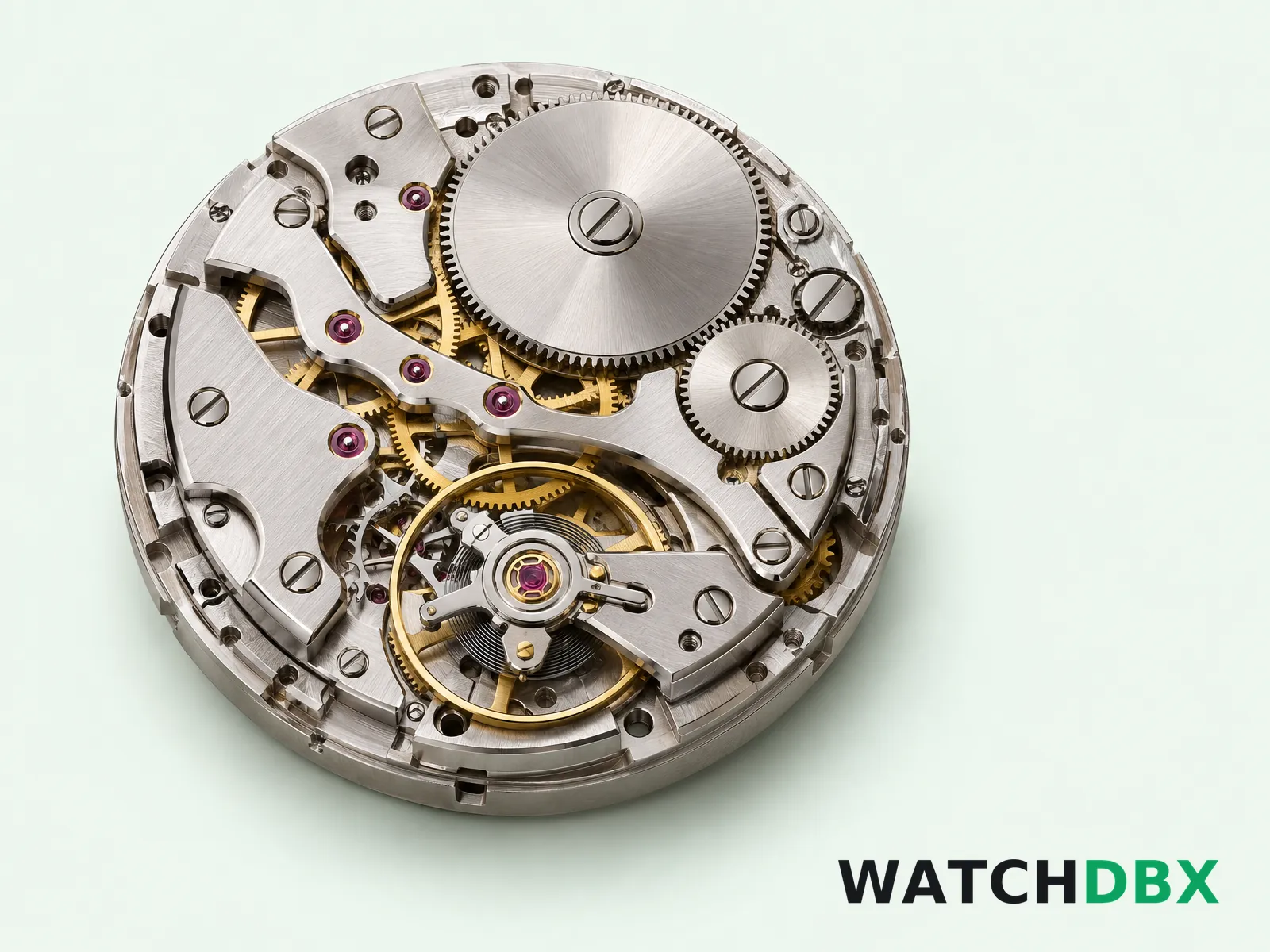 MovementThe mechanism inside a watch that generates, regulates and displays time, and may also power additional functions.
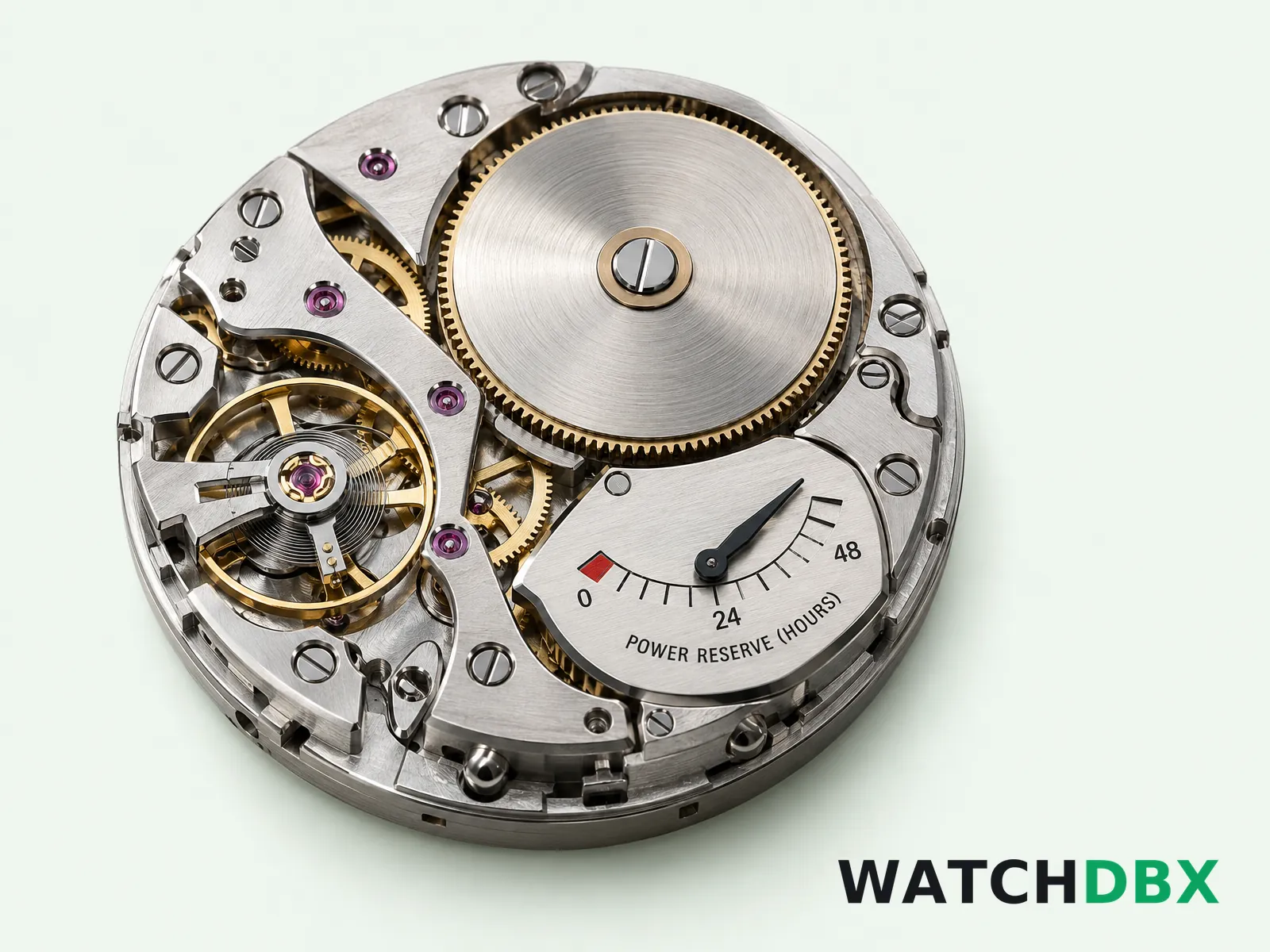 Power ReserveThe length of time a mechanical watch can continue running after its mainspring has been fully wound.
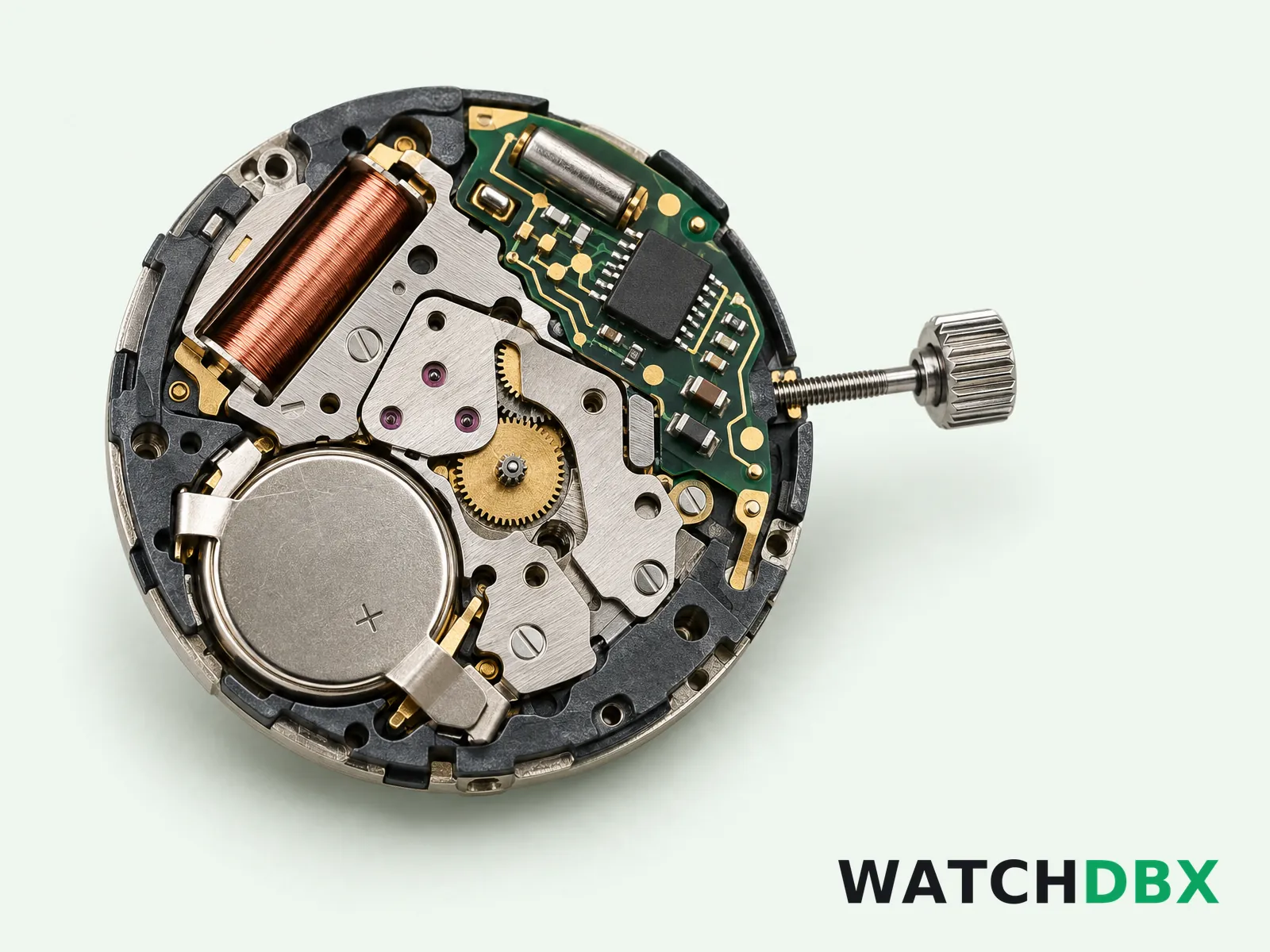 Quartz MovementAn electronic watch movement regulated by the highly stable vibration of a quartz crystal, normally powered by a battery.